First Peek Inside the hives
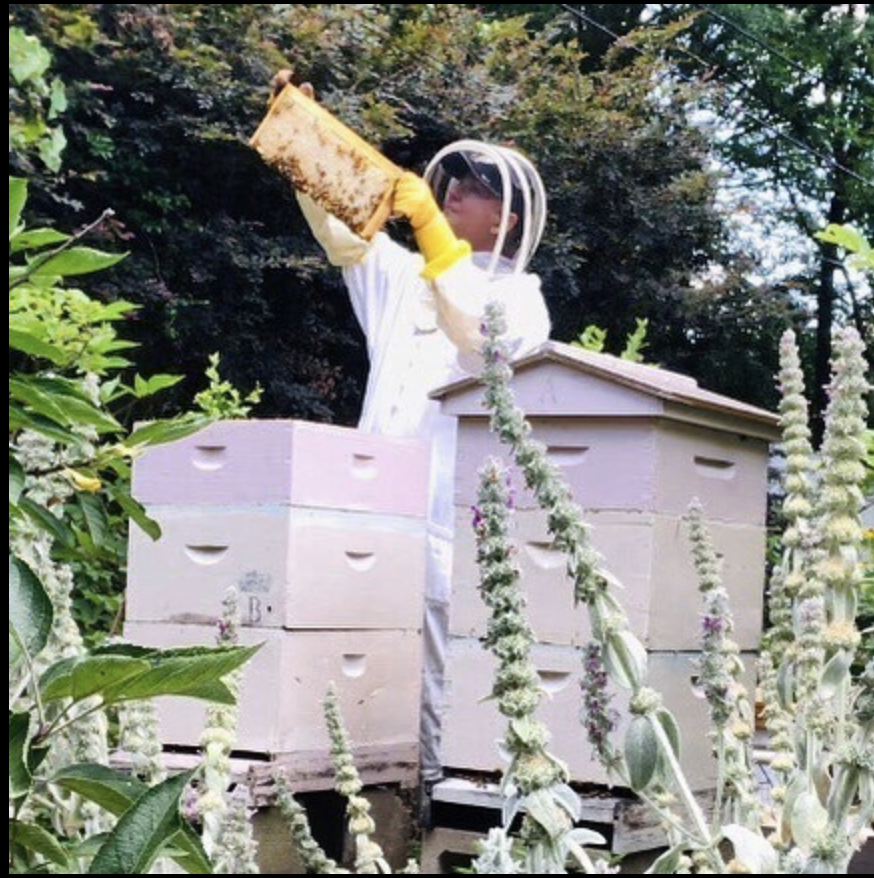
woman beekeeper inspecting a frame of honey from a beehive
It’s that time of year when there is a lot to do in the apiary and on a recent warm day I took my first peek inside the hives. Come with me to the bee yard.
Spring Beekeeping Chores
I removed the entrance reducers, small sticks, often referred to as a “rat stick", with an opening large enough for one bee. They are installed by beekeepers in fall to keep mice from getting inside the cozy winter hive and destroying the bees hard work and damaging the beekeeper’s equipment.
After that it’s a matter of making sure there are laying queens in every hive. A beekeeper doesn’t need to see the queen to know the hive is “queen right.” A nice pattern of brood (capped baby bee cells) along with some uncapped larvae and eggs are all it takes for me to close the hive back up on this day.
I did find one hive in the process of making about a dozen new queens and removed those frames with queen cells on them to make a split, creating two colonies out of one. The hope is to prevent swarming but sometimes a beekeeper’s best efforts cannot deter a colony that has already decided to swarm.
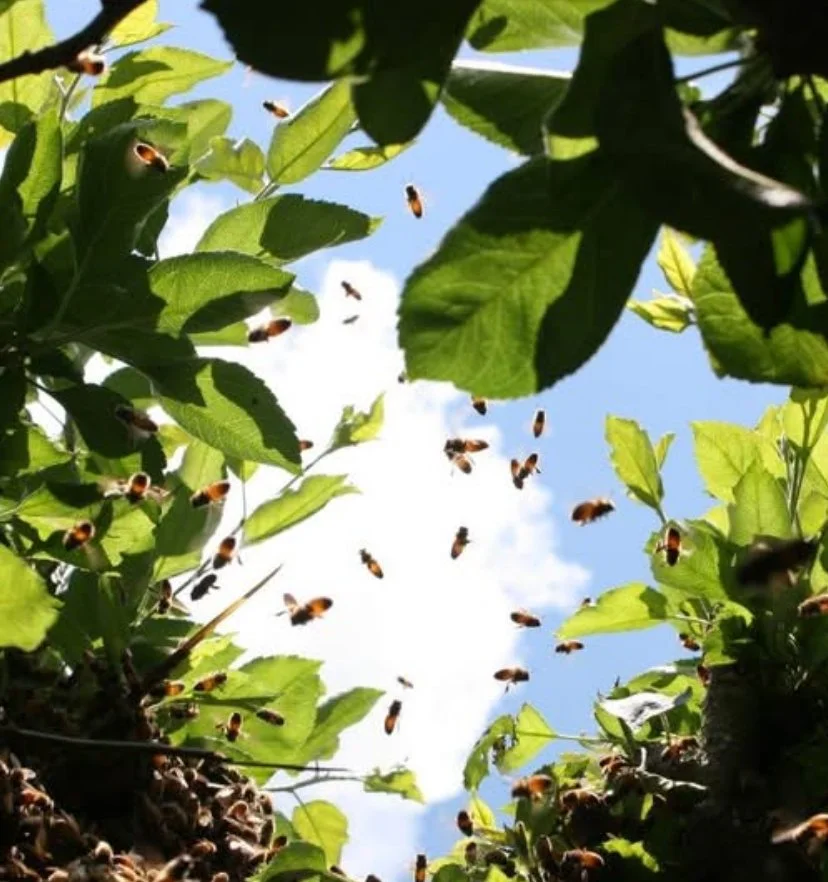
Spring is swarm season!
Spring is swarm season.
A swarm is a natural and healthy reproductive activity for the bees. It is the sign of a strong and healthy hive. Beekeepers try to prevent it because if it happens it’s likely those bees will be lost. It’s not always preventable but we do our best. If I’m lucky I am home when this happens and the bees land and collect on a low branch or in a bush where I can easily capture them, place them in a new hive, and they can get back to work for me.
If they choose to relocate to a limb dangerously high in a tree I can only wave and bless them as they fly away. Possibly to be caught by another beekeeper. Finders keepers!
Spring is the time that people may encounter a swarm of bees on a mailbox, a car, or anywhere else they decide to stop temporarily on their way to choosing a permanent home. While it appears to be a scary occurrence a swarm of bees is actually quite calm and docile having gorged on honey before leaving the hive and having no home to defend. They may stay in their temporary location for a few hours or a few days but will soon be off. Count yourself lucky to have encountered a super organism on the move.
All hail the
The Queen!
The Queen
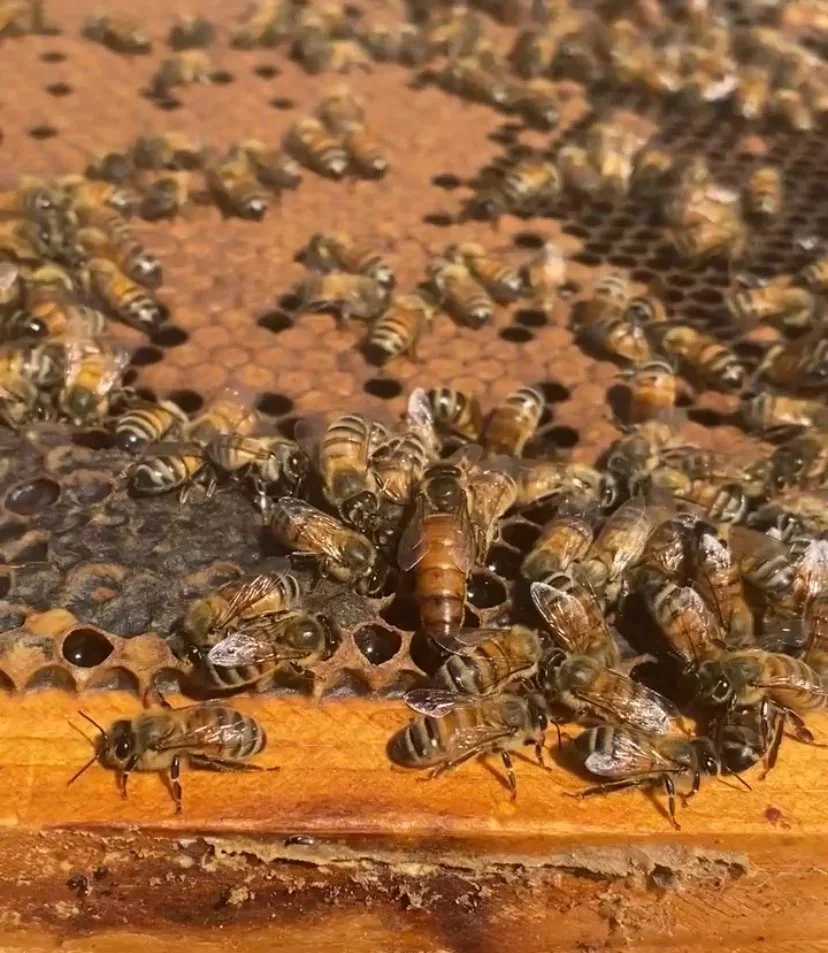
While I’m not super focused on locating the queen, every beekeeper loves to run across her. In my inspection of 5 hives I was surprised to see queens in 3 of them. It’s not too hard to see them in spring when the numbers of bees are low but growing. In mid summer when the hives can hold 80K bees or more it’s a needle in a haystack situation.
But again, no need to find her unless you have a reason to. And what is she doing when she is visible? Marching around like she owns the place, of course! Aside from laying eggs to grow the colony to those massive summer numbers the is constantly emitting a pheromone that suppresses the ovaries of all the worker bees and sets a “keep calm and carry on” tone for the hive.
Little Preachers
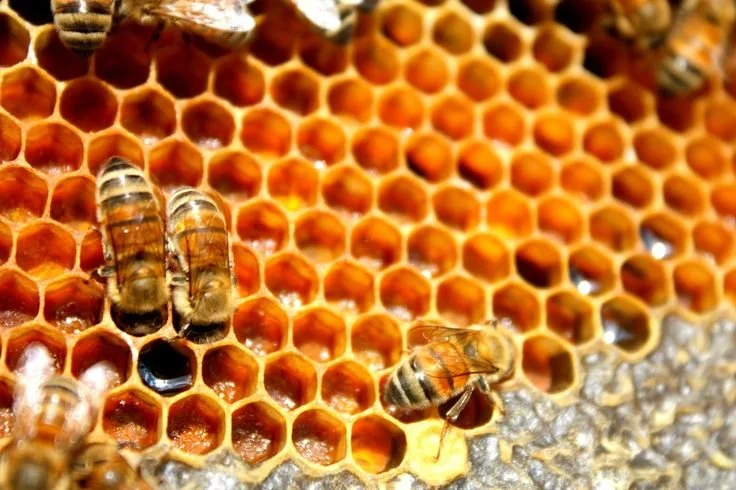
I marvel at the bees and how they work, what they build, what they produce. I see the hand of the Creator everywhere. It’s amid their precise architecture made from wax they make themselves and then build into precision. It’s in their heirarchy and complex society. It’s in the very design of their amazing little bodies.
For all the bees have given me over my many years of keeping them the most wonderful thing has been that every visit to the hives points to the Divine. That God in His infinite wisdom has given us this tiny insect to provide us with sweet honey and light from their wax as well examples of industriousness and cooperation.