Chasing Eden Part 2: The Beginning
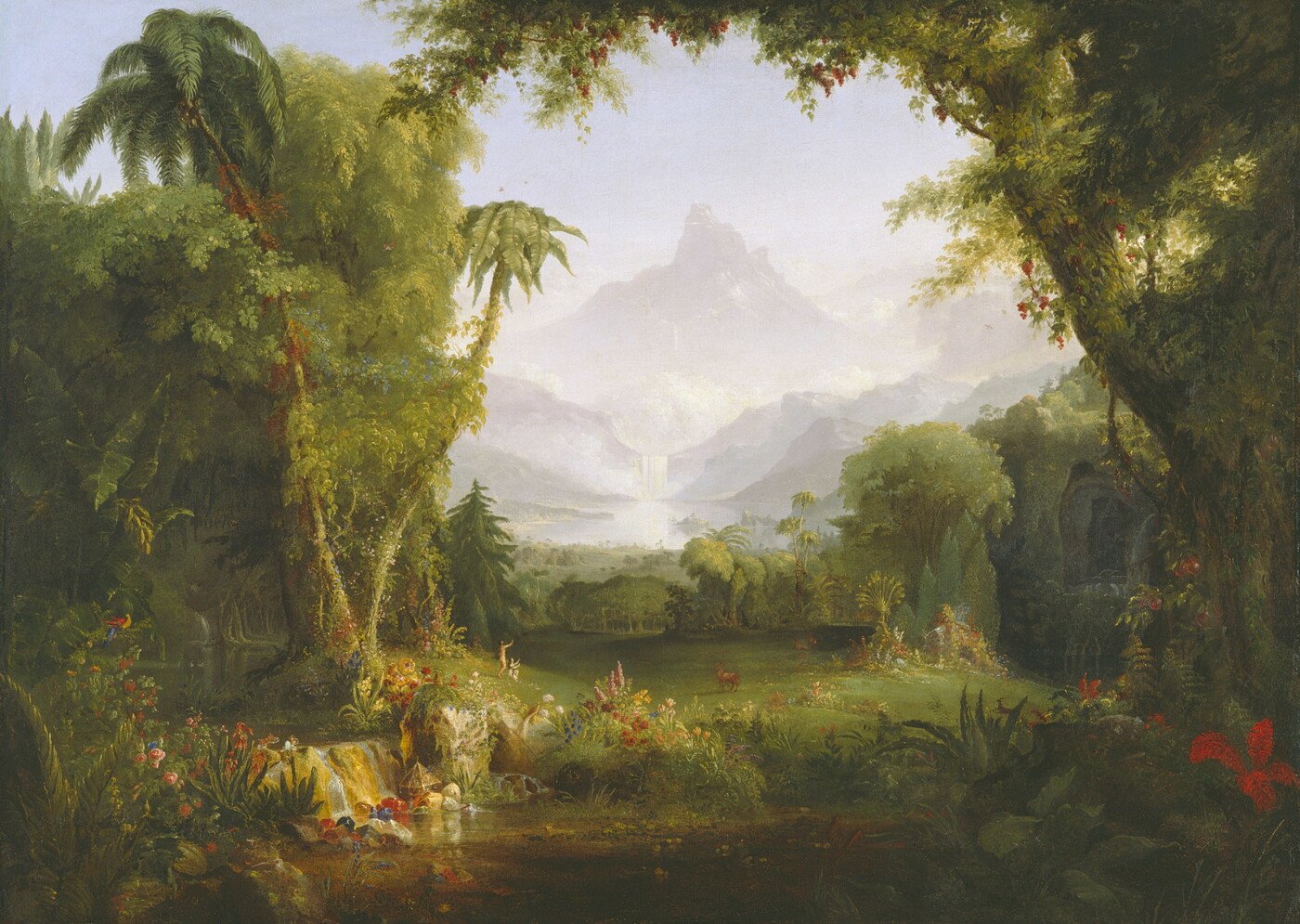
The Bible opens with chaos formed into order but that order was wild. Swirling oceans, deep dark forests, open grasslands. All of it teeming with life. A brand new unsullied world full of energy and promise. But we don’t see God tossing Adam and Eve into that amazing world. (Note: we don’t know what it looked like because we live in a world where the flood likely dramatically altered the terrain.) After all he’d created on earth as well as flinging the stars into space and placing the galaxies and planets in their proper places, The Ancient of Days made a garden.
You’ve likely read Genesis 1 many times over. Read it again with wonder and awe.
After we see Him creating everything from far flung galaxies to the mitochondria in the cells of a Wollemi Pine, which no one would even discover until 1994, he created a garden. But what the scripture actually tells us in Genesis 2:8 is that God planted a garden.
The word, Nata, in Hebrew means just what you think. The word implies God actively establishing and cultivating in a deliberate way. The word is different from the one used for the rest of creation, Bara,where he was speaking things into existence out of nothing. The text is telling us that God himself planted something He’d already created by his word. Friend, our God is the original gardener.

The Hebrew for garden in the text is gan which implies a beautifully protected and lush sanctuary rather than an open field. Enclosed or hedged in as all beautiful gardens are. In a garden there are boundaries. Thick green hedges or sturdy stone walls. A fence at least. Out there is the wild and untamed. In here there is order and beauty by design.
The fact that we see God designing open wild places but also an enclosed ordered and tended space says so much about him. It reminds me of the scene in The Lion the Witch and the Wardrobe where Mr. Beaver tells Susan that Aslan the lion “isn’t safe, but he’s good. He’s the king I tell you.” There are wild unknowable mysterious parts as well as the safe, shareable,and known.
Our sovereign and untamable God planted a garden himself. That implies special care and attention. Enclosed gardens in the near east were symbols of royal provision and protection, walled and heavily guarded. Tended. Which is the job given to Adam. The Hebrew word used in the passage means to cultivate, hedge about, guard, protect and serve. It comes with the meaning of tending to as a servant or worshipper to a master. In other words the work that Adam was tasked with was being done to the glory of God.
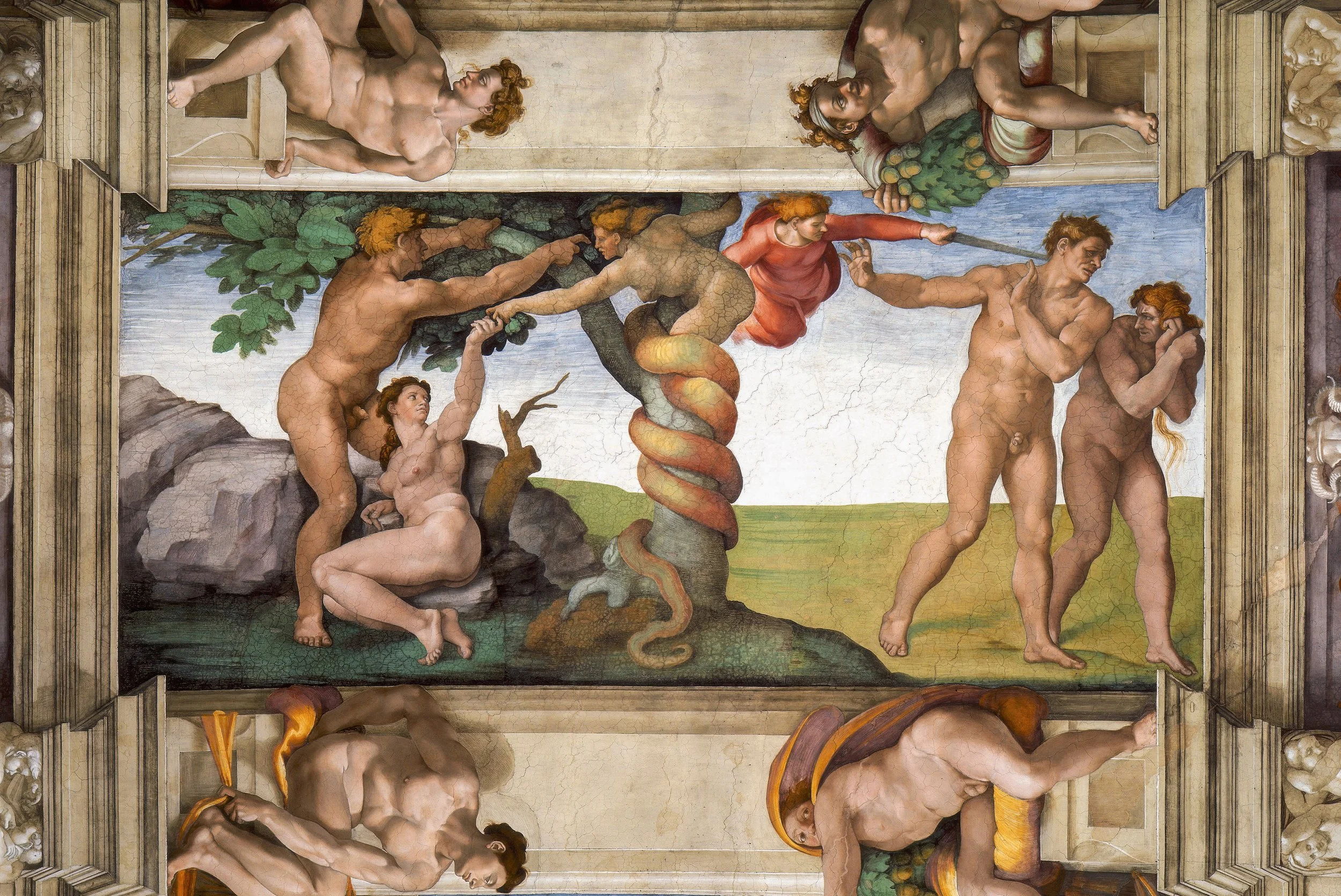
Col. 3:23 tells us that as Christians we are to work in everything as if we are working for God and that whatever work it is that we are doing it is the Lord God that we are serving. No one had to tell Adam this because after the fall in Gen 2:8 when it says that Adam and Eve heard God walking in the garden and they hid. The text implies that this was a pattern. Something Adam and God had been doing daily. Which makes the curse and banishment even more painful.
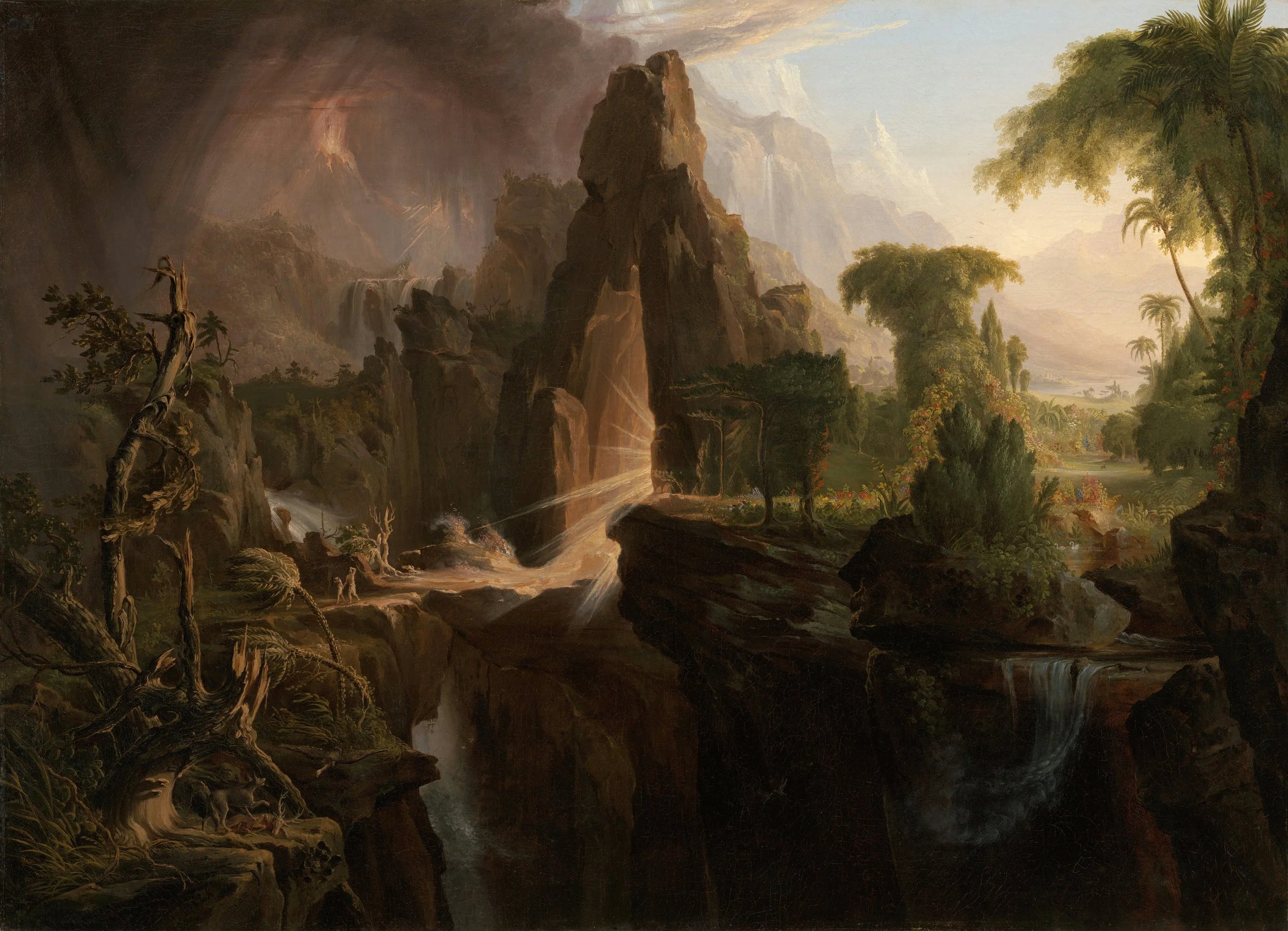
Afterwards Adam wasn’t tending a garden for God; he was working to keep himself and his family alive. In the original language the word tended comes with the meaning of working for a master. Alone and cast out Adam and Eve were now working hard to survive.
We do not have a God who allows that to be the end of the story. Our Heavenly Father is making all things new. In Christ mankind gets a do over in every way.

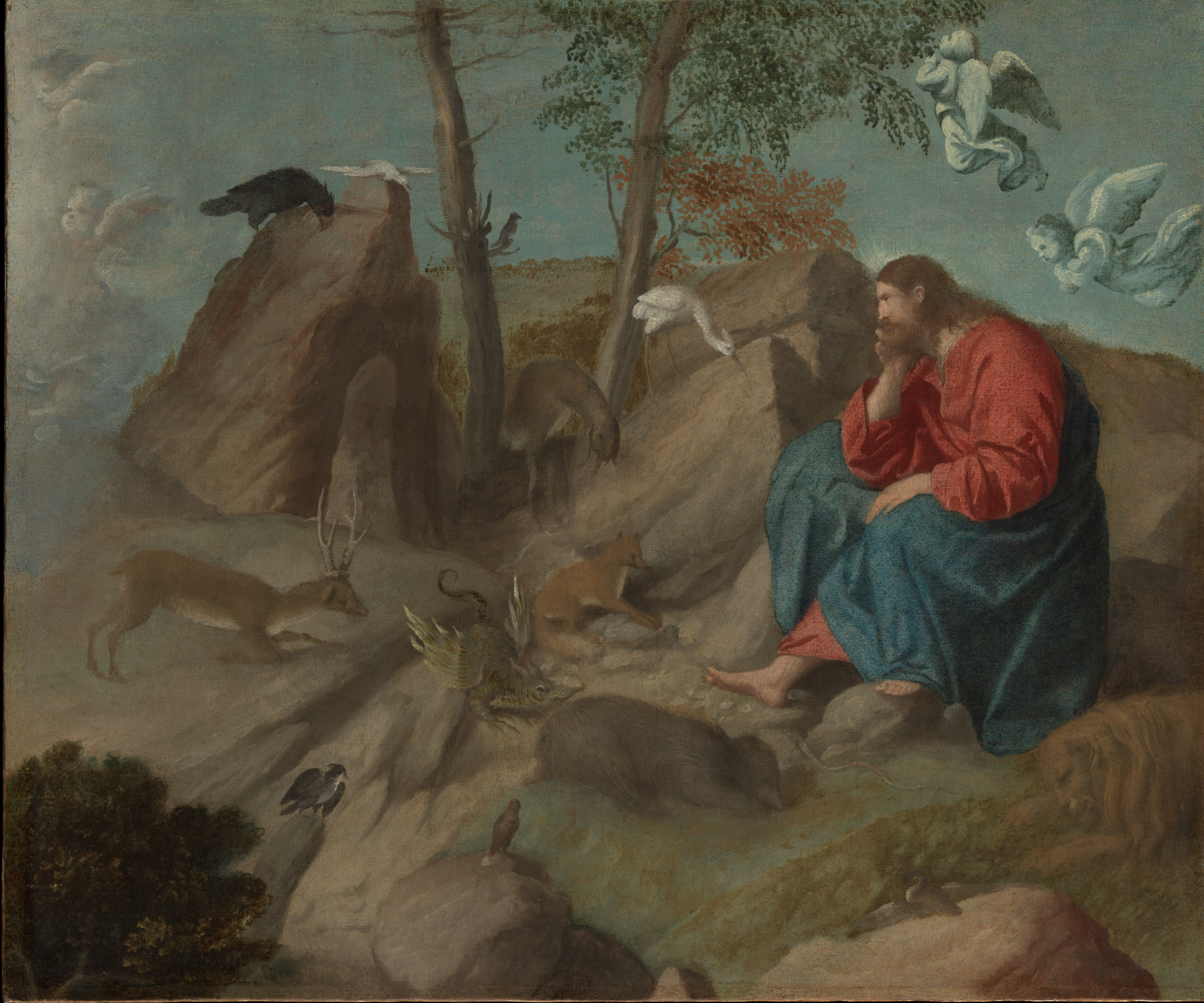
Mathew tells us just after his baptism Jesus is led into the wilderness and was tempted by Satan. But Christ, the new Adam, remained faithful, proving himself qualified to become the savior of all who receive him. In another nod to Adam in the garden Mark 1:13 tells us in the wilderness Christ was with wild animals and in ancient Israel this would have included lions.
While the Bible begins and ends with a garden, a garden is also the setting for the most important historical event ever. The burial and resurrection of Christ our Lord. I love that God likes a theme. John tells us that the tomb Jesus was laid in was in a garden.
John 19:41-42 (NIV): "At the place where Jesus was crucified, there was a garden, and in the garden a new tomb, in which no one had ever been laid. Because it was the Jewish day of Preparation and since the tomb was nearby, they laid Jesus there." [1]
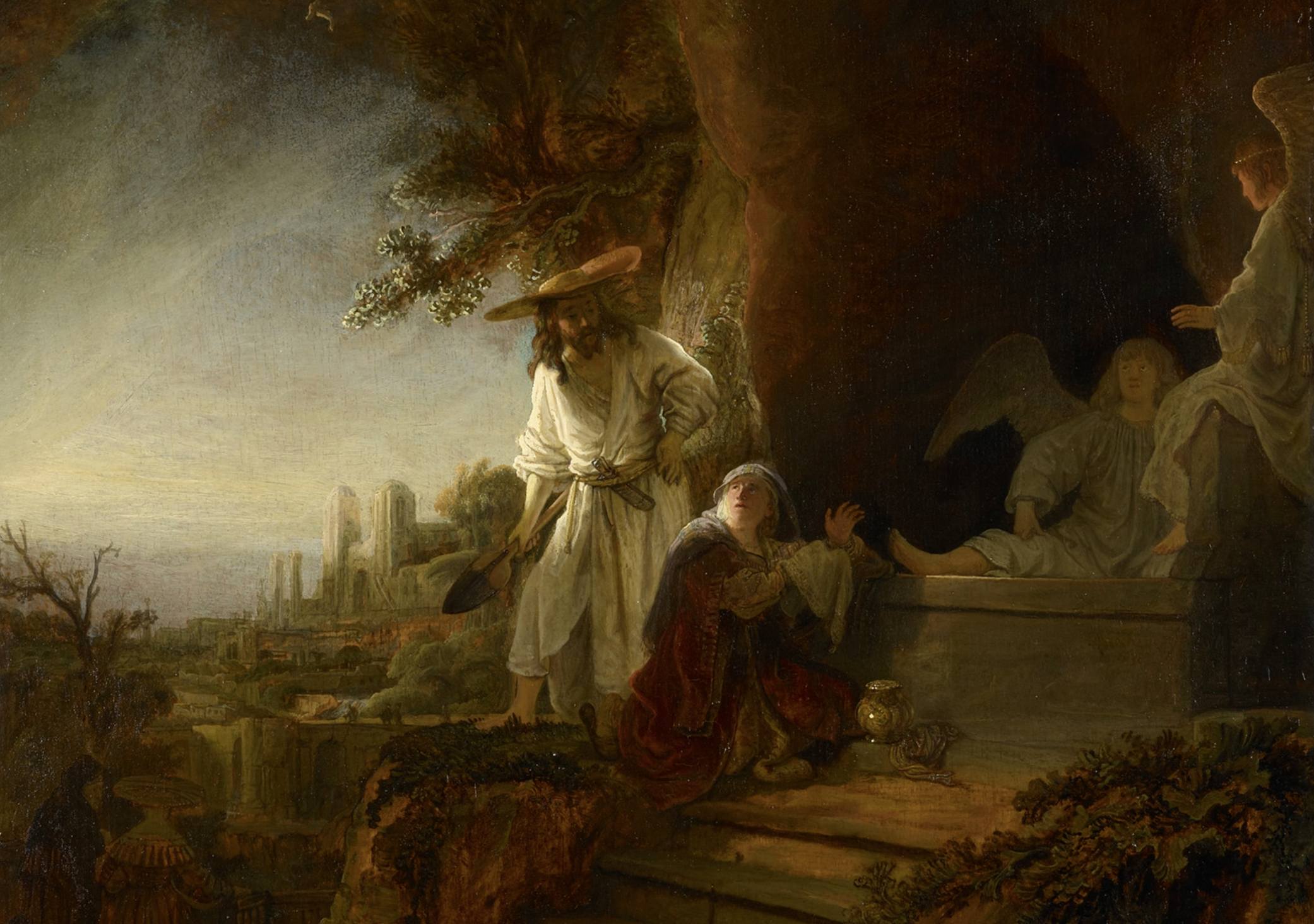
John 20:15 (NIV): Following the resurrection, Mary Magdalene encounters the risen Christ in the garden, initially mistaking him for the gardener when he asks, "Woman, why are you crying? Who is it you are looking for?"
In fact when Mary Magdalene goes to the tomb to tend to it and finds it empty she is distraught and mistakes the risen Christ for the gardener. Rembrandt gives us this scene in the painting, and gives Jesus a gardener’s hat. That detail makes me smile. But as we look at the painting we see also a pruning knife and a spade.
Because in addition to all these literal gardens in the Bible we can also say that our hearts are figurative gardens. They have soil in which we can plant good or bad things. Things in our lives that need to be pruned out by God. Watering with prayer. Weeding out sin. But none of our best efforts in our own strength can secure salvation. The snatching back of our souls from the enemy who thought he was victorious in Eden is a work that is finished. We are tending the garden of our hearts along with Christ, working for His glory, and ultimately He is the owner and the garden is bought and paid for.
So the Bible begins and ends with a garden. In Revelation John tells us just how completely and completely all will be made well. Restored. Redeemed. Reconciled.
Eden Restored
Revelation 22:1-5 Then the angel showed me the river of the water of life, as clear as crystal, flowing from the throne of God and of the Lamb 2 down the middle of the great street of the city. On each side of the river stood the tree of life,bearing twelve crops of fruit, yielding its fruit every month. And the leaves of the tree are for the healing of the nations. 3 No longer will there be any curse. The throne of God and of the Lamb will be in the city, and his servants will serve him. 4 They will see his face, and his name will be on their foreheads. 5 There will be no more night. They will not need the light of a lamp or the light of the sun, for the Lord God will give them light. And they will reign for ever and ever.
Artwork:
Thomas Cole, the Garden of Eden -1828
The Garden of Eden with the Fall of Man or The Earthly Paradise with the Fall of Adam and Eve (ca. 1615) is a painting by Peter Paul Rubens (figures) and Jan Brueghel the Elder
Sistine Chapel, Michaelangelo 1508-1512
Thomas Cole- Expulsion from the Garden of Eden -1828
The Expulsion from the Garden of Eden-fresco by the Italian Early Renaissance artist Masaccio. Brancacci Chapel in the church of Santa Maria del Carmine in Florence.
Christ in the Wilderness-Moretto da Brescia (Alessandro Bonvicino) (Italian, Brescia ca. 1498–1554 Brescia) ca. 1515–20
Painted in 1638, Rembrandt van Rijn’s Christ and St Mary Magdalen at the Tomb
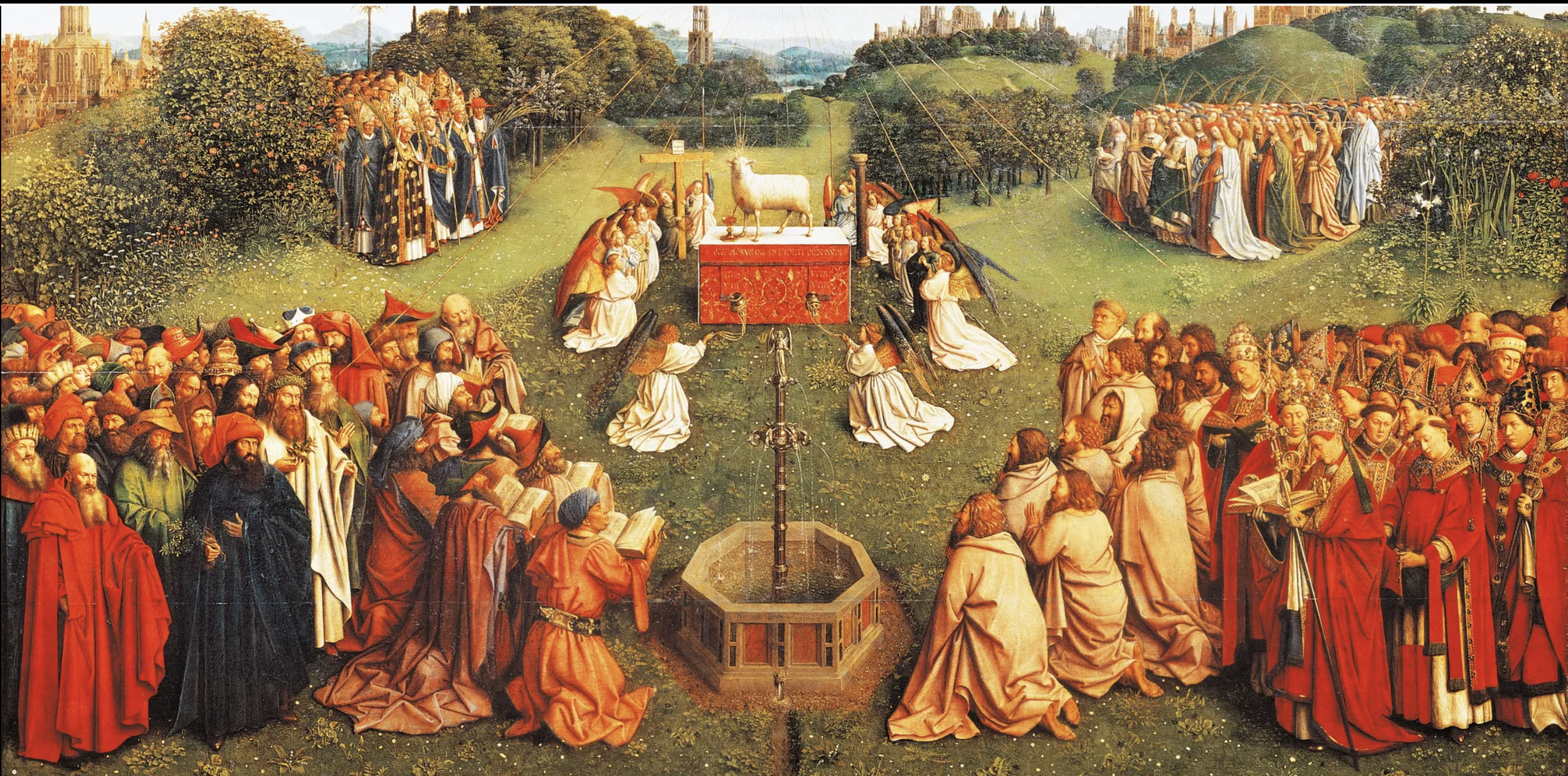
The Ghent Altarpiece, or The Adoration of the Mystic Lamb, is a massive 15th-century masterpiece painted by Hubert and Jan van Eyck. Completed in 1432, this pioneering polyptych is housed in St. Bavo’s Cathedral in Ghent, Belgium, and is famous for its revolutionary use of oil paint, lifelike detail, and turbulent history